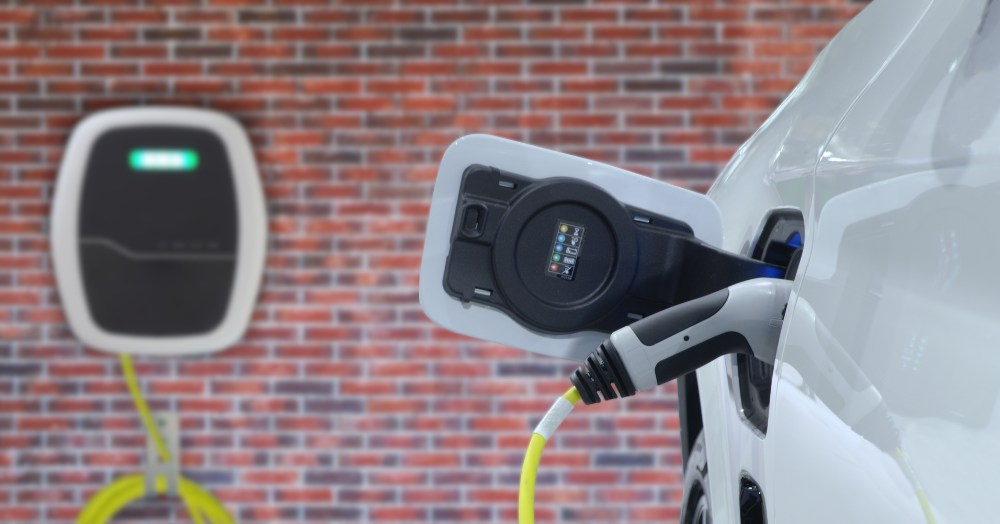
Is it possible to install Electric Vehicle charging points in period properties or houses located in conservation areas?
We all try to do our bit to help the environment, making better choices about single-use plastics and recycling. So when it comes to driving a vehicle, knowing that exhaust fumes and emissions damage the planet, an electric car is an obvious choice.
Not to mention the other benefits of driving an electric car: savings on road tax, congestion charges, and other financial tax benefits for company cars; electric cars are now a clear option for those looking for a new vehicle. And how nice would it be not to have to go to the petrol station to refill the tank every few days? But what are the limitations?
Well, for most of us, there are not many. Of course, recharging the battery is a critical factor in owning an electric car. An electric car charging point can be fitted outside your home; you simply plug it in. But what if you can't have a charging point?
Many properties are unable to accommodate an electric charging point for a vehicle. Flats and apartments predominantly do not have a dedicated parking space next to them, and it is almost impossible to park on any floor other than the ground floor.
Even if you have a private driveway next to your property, you may not be able to add an electric charging point to the outside. This would be the case if your home is listed or positioned within a conservation area. There are rules that must be followed, and conservation areas often don't want properties to be modernised. So things like PVC double glazing and solar panels are not allowed without planning permission—it would stand to reason that a charging point would need permission, too.
- If you are lucky enough to live in a conservation area, your home is likely in an area of natural beauty or often a quaint village steeped in history. But with these clear positive factors, you do have to seek permission for many things. However, you don't necessarily have to wave goodbye to plans for an electric car. Unless, of course, you have an alternative charging option. Is there a nearby garage with a rapid charging facility or a public car park with a charging point close to home?
- If you want to fit a charging point at your home, you will likely need to obtain planning permission from your local authority before committing to buying an electric car. This should be straightforward and not require a specialist planning officer or architectural drawings. For more information, visit the planning portal website.
- If you live in an apartment block, the building owner may be able to fit block charging points for the building's occupants, but this would, of course, be up to the freeholder.
If you need planning permission from the local authority to have an EV charger point at your home, you must ensure you have the correct permissions. Failure to do this could cause significant complications when you come to sell your home, resulting in delays in the legal process as you try to arrange retrospective permissions and certification.
So, as you can see, there are ways that you can effectively run an electric vehicle, even if you don't have a traditional parking setup. Perhaps, if you are considering selling your home shortly, it would be a great selling point for prospective buyers, too, as they may well have an electric vehicle. It might be an essential factor in their property search.
For more information about marketing your home for sale, contact our team today.