Avoid the pitfalls of overpricing your home when trying to sell
When preparing to put your home on the market for sale, it is human nature to want the valuations to be as high as possible. After all, not only is your home likely your most valuable asset, but the equity held within your property is your deposit for your onward purchase. The higher this figure is, the higher your budget for your next home.
When your property is valued, usually by two or three different estate agencies, you might receive differing opinions of what the property might sell for. And because you are hoping to sell the property for as much as possible, it might seem obvious that you will select the agent that values your property at the highest price. These are the agents who are confident in getting this high price, right?
But, estimating a value for a property is an opinion, not a guarantee. The agent suggests a figure they believe they could sell your home for. If one agent thinks your home is worth more than another, surely you should put your property on the market with them.
But unfortunately, it's not quite as simple as that. The agent you instruct to sell your home 'wins' the valuation stage, the competition between the agents to get new properties onto the market to sell. If it was the case that you should instruct the highest price, agents would just tell you higher and higher figures to ensure that they are the chosen agents to market your home. This is known as "overvaluing" and is the act of quoting a higher valuation estimate with the intention of gaining the instruction to sell the property.
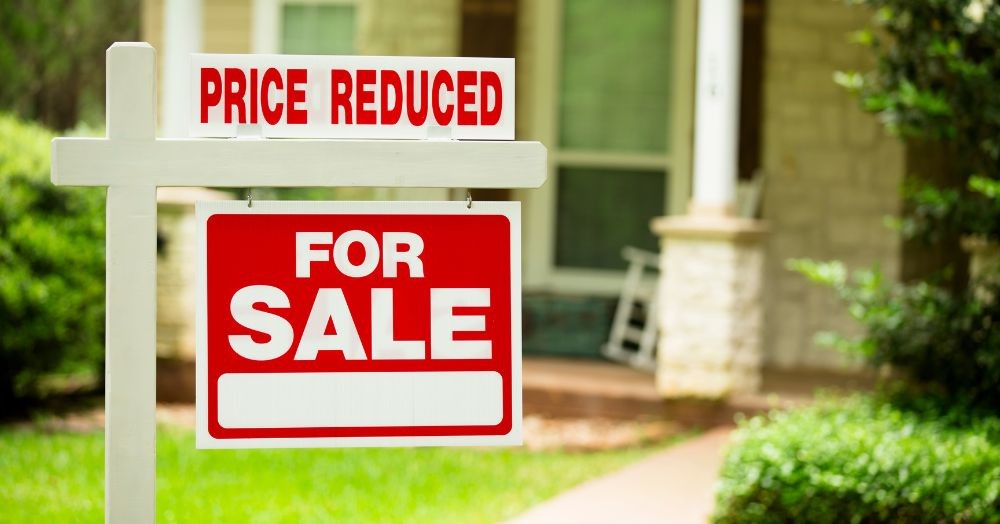
Sadly, the end result of practices like this is, of course, the seller chooses the agent with the highest quoted figure, the property gains no interest from potential buyers, and, disappointedly, the homeowner has to consider a reduction in the marketing price of the property to find a buyer.
At least you tried to reach those high prices, and if you'd never tried, you'd never know, right? But there is a problem with this scenario. In fact, it is a widely reported problem that estate agents across the country have seen play out thousands of times.
According to Rightmove, 80% of reduced houses on Rightmove will sell for 7% less than the last price they were marketed at. This means that in your quest to gain the highest quoted price for your property, you will actually sell for less. Not only that, but you will have taken much longer to do so, potentially incurring a significant financial loss.
Moving home is an emotional experience, and when a homeowner is presented with a handful of valuation figures, most will follow their heart, not their head. An aspirational figure is filled with hope and emotion. And major life decisions are almost always made with emotion. Selling your property for a high price might allow you to move up the ladder into a new price bracket or have a nice healthy deposit for your new home, which might reduce your borrowing and monthly payments.
You might have even told the other agents about the difference in price, which may have been countered with statistics, graphs, facts and figures in an attempt to persuade you that the highest agent is incorrect and this could seriously harm your sale. But, even when faced with evidence to the contrary, it is challenging to overcome the pull of the dream with logic.
Unfortunately, you will not know the pain of having to deal with overpricing your property until it's too late. And by this time, you will need a robust strategy to get your home sold for anywhere near the original average valuation prices.
Contact our team of experts today to discover how we market homes for the right price from the start, saving our clients months of heartache and thousands of pounds.